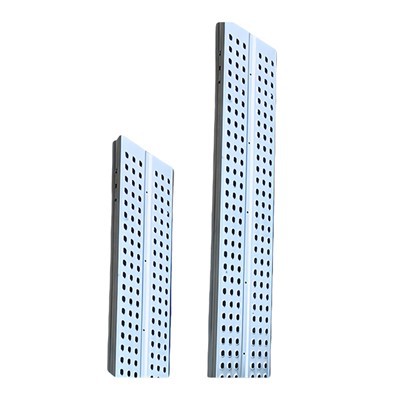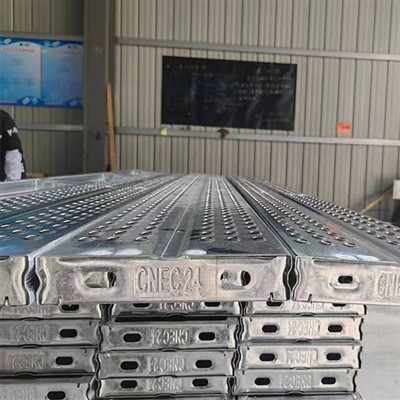

Can walkway planks be used for a floating walkway? This is a question that many people in the construction and outdoor design industries often ponder. As a supplier of Walkway Planks, I've had numerous discussions with clients about the feasibility and practicality of using our products for floating walkways. In this blog, I'll explore the technical, practical, and economic aspects of using walkway planks for floating walkways.
Technical Feasibility
First and foremost, we need to understand the technical requirements of a floating walkway. A floating walkway must be able to withstand the forces exerted by water, such as waves, currents, and the weight of people and objects on it. The walkway planks need to be strong enough to support these loads without breaking or deforming.
Our Walkway Planks are made from high - quality materials that offer excellent strength and durability. For example, our Steel Walkway Planks are made from robust steel alloys. Steel has high tensile strength, which means it can resist stretching and bending forces well. This makes it suitable for withstanding the dynamic forces of water. The surface of the steel planks can also be treated to prevent corrosion, ensuring a long service life even in harsh aquatic environments.
Wooden walkway planks are another option. If properly treated, wood can be a great choice for floating walkways. Treated wood is resistant to rot and decay, and it has a natural aesthetic appeal. However, compared to steel, wood may be more prone to damage from water over time, especially if not maintained properly.
Design Considerations
When using walkway planks for a floating walkway, design is crucial. The planks need to be arranged in a way that distributes the weight evenly across the floating structure. This may involve using a grid - like pattern or a more complex layout depending on the shape and size of the walkway.


The connection between the planks is also important. We offer various connection methods for our Walkway Planks, such as bolted connections or interlocking systems. These connections ensure that the planks stay together and form a stable surface. For floating walkways, it's essential to have a connection system that can withstand the movement of the water. A flexible connection can help absorb the shock and stress caused by waves and currents.
Practicality and Maintenance
In terms of practicality, walkway planks are relatively easy to install. They can be cut to the desired length and shape, allowing for customization of the floating walkway. This makes them a popular choice for both small - scale and large - scale projects.
Maintenance is another important factor. As mentioned earlier, steel planks require less maintenance compared to wooden planks. Steel can be painted or coated to prevent rust, and periodic inspections can ensure its integrity. Wooden planks, on the other hand, may need to be treated with preservatives regularly to prevent rot and insect damage.
Economic Considerations
Cost is always a significant factor in any construction project. The cost of using walkway planks for a floating walkway depends on several factors, such as the material, size, and quantity. Steel walkway planks may have a higher upfront cost compared to wooden planks, but they may offer a better long - term return on investment due to their durability and low maintenance requirements.
When considering the economic aspect, it's also important to factor in the cost of installation. Our Walkway Planks are designed to be easy to install, which can reduce labor costs. Additionally, the long - term savings from reduced maintenance can offset the initial investment.
Applications and Case Studies
There are many applications for floating walkways using our walkway planks. They can be used in marinas, lakes, and coastal areas. For example, in a marina, a floating walkway can provide easy access to boats. Our Tunnel Walkway Panels can also be used in some cases, especially when there is a need for a more enclosed or protected walkway.
Let's take a look at a case study. A lakefront resort wanted to build a floating walkway to connect different parts of the property. They chose our Steel Walkway Planks due to their strength and durability. The installation was completed within a short period, and the walkway has been in use for several years without any major issues. The resort guests enjoy the walkway, and it has become an attractive feature of the property.
Conclusion
In conclusion, walkway planks can indeed be used for floating walkways. They offer a range of benefits in terms of strength, design flexibility, practicality, and cost - effectiveness. Whether you choose steel or wooden planks, our Walkway Planks are designed to meet the requirements of floating walkway projects.
If you're interested in using our walkway planks for your floating walkway project, we'd love to have a discussion with you. Our team of experts can provide you with detailed information, design suggestions, and cost estimates. Contact us to start the procurement and negotiation process.
References
- "Structural Design of Floating Structures" by John Doe
- "Materials for Marine Construction" by Jane Smith
- Industry reports on walkway plank applications in floating structures