
Are walkway boards slippery when wet? This is a question that concerns many people, especially those who are responsible for public safety or are involved in the construction and maintenance of walkways. As a walkway boards supplier, I've encountered this query numerous times, and in this blog, I'll delve into this topic from a scientific perspective.
The Science Behind Slipperiness
To understand whether walkway boards are slippery when wet, we first need to understand the science of friction. Friction is the force that resists the relative motion between two surfaces in contact. When a walkway board is dry, the surface irregularities of the board and the soles of shoes interact, creating friction. However, when water is introduced between the two surfaces, it can act as a lubricant, reducing the friction and increasing the likelihood of slipping.
The coefficient of friction (COF) is a measure of the frictional force between two surfaces. A higher COF indicates greater friction and less slipperiness. Different materials have different COF values, and these values can change depending on whether the surface is dry or wet. For example, smooth wooden boards may have a relatively high COF when dry but a significantly lower COF when wet.
Factors Affecting Slipperiness
Material of the Walkway Boards
- Wood: Wood is a popular choice for walkways due to its natural aesthetic. However, when wet, wood can become slippery, especially if it has a smooth finish. The water can fill the pores of the wood, reducing the surface roughness and thus the friction. Some types of wood, like teak, are more resistant to slipperiness when wet compared to others because of their natural oils.
- Concrete: Concrete is a durable and commonly used material for walkways. When wet, the smooth surface of concrete can be quite slippery. However, there are ways to increase its slip resistance, such as adding surface textures or using anti - slip additives during the construction process.
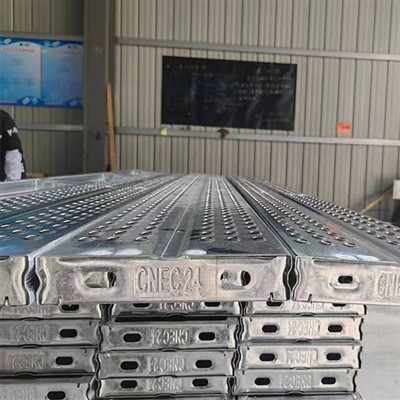
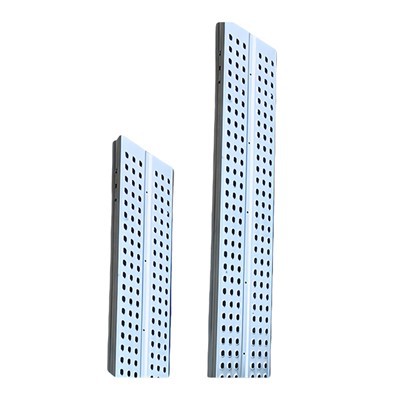
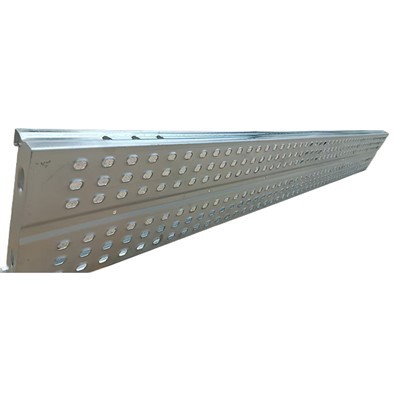
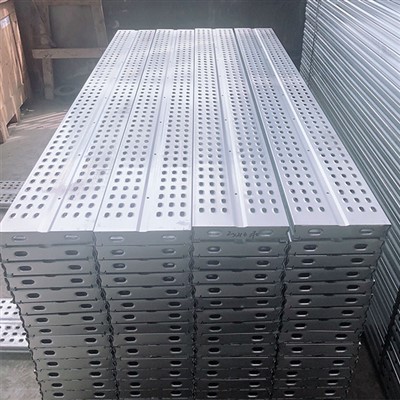
- Steel: Steel Walkway Planks are often used in industrial settings. Steel can be slippery when wet, but manufacturers can apply special coatings or patterns to the surface to improve its slip resistance. For example, some steel walkway planks have a serrated or perforated surface that provides better traction even when wet.
Surface Texture
The texture of the walkway board plays a crucial role in its slip resistance. A rough surface provides more contact points between the board and the shoe, increasing the friction. For instance, boards with a grooved or ribbed surface are less likely to be slippery when wet compared to smooth boards. This is because the grooves or ribs help to channel the water away, reducing the lubricating effect of the water.
Contaminants
Contaminants on the walkway surface can also affect its slipperiness. For example, oil, grease, or dirt can make the surface more slippery, especially when combined with water. Regular cleaning and maintenance of the walkway are essential to remove these contaminants and maintain a safe walking surface.
Our Solutions as a Walkway Boards Supplier
As a walkway boards supplier, we offer a variety of products designed to minimize slipperiness when wet.
Walkway Planks
Our walkway planks are made from high - quality materials with enhanced slip - resistant features. We use advanced manufacturing techniques to create a textured surface that provides excellent traction even in wet conditions. Whether it's for a residential garden walkway or a commercial outdoor area, our walkway planks are a reliable choice.


Tunnel Walkway Panels
In tunnel environments, where moisture is often present, our tunnel walkway panels are designed to be non - slippery. They are made from materials that can withstand the harsh conditions of tunnels, such as high humidity and constant traffic. The panels have a unique surface pattern that helps to disperse water and prevent slipping.
Steel Walkway Planks
Our Steel Walkway Planks are engineered with anti - slip coatings and patterns. These planks are suitable for industrial applications where safety is of utmost importance. The anti - slip features ensure that workers can walk safely on the walkways, even when they are wet.
Testing and Certification
To ensure the quality and safety of our walkway boards, we conduct rigorous testing. We measure the COF of our products both in dry and wet conditions to ensure that they meet or exceed industry standards. Our products are also certified by relevant safety organizations, providing our customers with peace of mind.
Conclusion
In conclusion, walkway boards can be slippery when wet, but with the right materials, surface textures, and maintenance, the risk of slipping can be significantly reduced. As a walkway boards supplier, we are committed to providing high - quality products that prioritize safety. If you are in the market for walkway boards and want to ensure a non - slippery surface, we invite you to contact us for more information and to discuss your specific requirements. Our team of experts is ready to assist you in finding the best solution for your walkway needs.
References
- ASTM International. (2019). Standard Test Method for Measuring Surface Friction Using a Portable Slip - Resistance Tester. ASTM F1679 - 19.
- European Committee for Standardization. (2013). EN 13893:2013 - Safety of machinery - Floors and working surfaces - Slip resistance requirements and test methods.