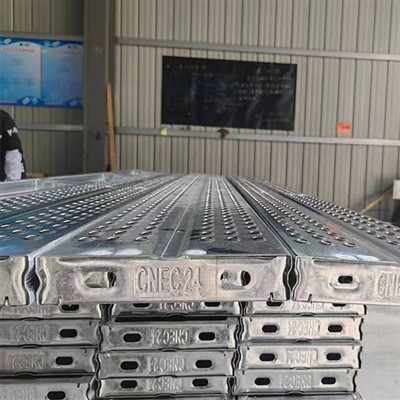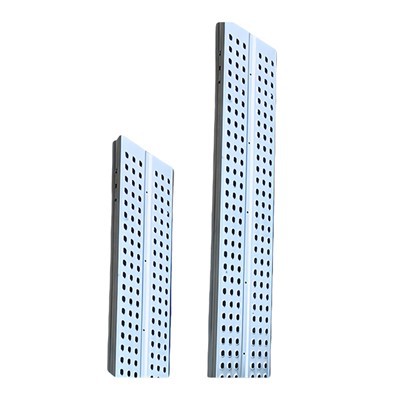

As a supplier of Plank Metal, I've seen firsthand the importance of recognizing the signs of Plank Metal damage. Plank Metal is widely used in various industries, including construction, manufacturing, and warehousing, due to its durability and strength. However, like any material, it is susceptible to damage over time. In this blog post, I'll discuss the common signs of Plank Metal damage and why it's crucial to address them promptly.
1. Visible Cracks and Fractures
One of the most obvious signs of Plank Metal damage is the presence of visible cracks and fractures. These can occur due to a variety of reasons, such as excessive stress, impact, or corrosion. Cracks can start small and gradually grow over time, weakening the structural integrity of the Plank Metal. If left untreated, these cracks can lead to complete failure of the plank, posing a significant safety risk.
When inspecting Plank Metal, look for any signs of cracks on the surface, edges, or joints. Pay special attention to areas that are subject to high stress, such as near support points or where heavy loads are placed. If you notice any cracks, it's important to take immediate action. Depending on the severity of the damage, you may need to repair or replace the plank.


2. Bent or Deformed Sections
Another sign of Plank Metal damage is bent or deformed sections. This can happen when the plank is subjected to excessive force or pressure, such as being hit by heavy equipment or experiencing a sudden impact. Bent or deformed sections can affect the stability and functionality of the plank, making it unsafe for use.
Inspect the Plank Metal for any signs of bending or deformation. Look for areas where the plank appears to be out of shape or has a noticeable curve. If you find any bent or deformed sections, it's important to assess the extent of the damage. In some cases, minor bends can be straightened, but more severe deformation may require the plank to be replaced.
3. Rust and Corrosion
Rust and corrosion are common problems with Plank Metal, especially in environments where it is exposed to moisture or chemicals. Rust can weaken the metal over time, causing it to become brittle and prone to cracking. Corrosion can also eat away at the surface of the plank, reducing its thickness and strength.
To check for rust and corrosion, look for any signs of discoloration, flaking, or pitting on the surface of the Plank Metal. Pay special attention to areas that are in contact with water or other corrosive substances. If you notice any signs of rust or corrosion, it's important to take steps to prevent further damage. This may include cleaning the plank, applying a rust inhibitor, or replacing the affected sections.
4. Loose or Missing Fasteners
Plank Metal is typically secured using fasteners, such as bolts, screws, or nails. Over time, these fasteners can become loose or missing, which can affect the stability and safety of the plank. Loose or missing fasteners can cause the plank to shift or move, increasing the risk of accidents.
Inspect the Plank Metal for any signs of loose or missing fasteners. Check the connections between the planks and the supporting structure, as well as any other areas where fasteners are used. If you find any loose or missing fasteners, it's important to tighten or replace them as soon as possible.
5. Wear and Tear
Regular use of Plank Metal can cause wear and tear over time. This can include scratches, dents, and abrasions on the surface of the plank. While these may seem like minor issues, they can actually weaken the metal and make it more susceptible to damage.
Inspect the Plank Metal for any signs of wear and tear. Look for areas where the surface of the plank appears to be worn or damaged. If you notice any significant wear and tear, it's important to assess the impact on the structural integrity of the plank. In some cases, minor wear and tear can be repaired, but more severe damage may require the plank to be replaced.
Why It's Important to Address Plank Metal Damage
Recognizing and addressing Plank Metal damage is crucial for several reasons. First and foremost, it ensures the safety of workers and users. Damaged Plank Metal can pose a significant risk of accidents, such as falls or collapses. By identifying and addressing damage promptly, you can prevent these accidents from occurring.
Secondly, addressing Plank Metal damage can help extend the lifespan of the planks. By repairing or replacing damaged sections, you can prevent further deterioration and ensure that the planks remain in good condition for longer. This can save you money in the long run by reducing the need for frequent replacements.
Finally, addressing Plank Metal damage can help maintain the quality and reputation of your products. As a supplier, it's important to provide high-quality Plank Metal that meets the needs and expectations of your customers. By ensuring that your planks are in good condition, you can build trust and loyalty with your customers.
How to Prevent Plank Metal Damage
While it's important to recognize and address Plank Metal damage, it's also important to take steps to prevent it from occurring in the first place. Here are some tips to help prevent Plank Metal damage:
- Proper Installation: Ensure that the Plank Metal is installed correctly, following the manufacturer's instructions. This includes using the correct fasteners and ensuring that the planks are properly supported.
- Regular Inspections: Conduct regular inspections of the Plank Metal to identify any signs of damage early on. This can help you take prompt action to prevent further damage.
- Proper Maintenance: Keep the Plank Metal clean and dry to prevent rust and corrosion. Apply a protective coating or rust inhibitor to the surface of the planks to help prevent damage.
- Proper Handling: Handle the Plank Metal with care to avoid damage. This includes using the correct equipment and techniques when moving or installing the planks.
Conclusion
As a Plank Metal supplier, I understand the importance of providing high-quality products that are safe and reliable. By recognizing the signs of Plank Metal damage and taking prompt action to address them, you can ensure the safety of your workers and users, extend the lifespan of your planks, and maintain the quality and reputation of your products.
If you're in the market for Plank Metal, I encourage you to explore our range of Metal Scaffold Boards, Steel Deck Planks, and Metal Walk Boards. Our products are made from high-quality materials and are designed to meet the needs of various industries.
If you have any questions or would like to discuss your Plank Metal needs, please don't hesitate to contact us. We're here to help you find the right solution for your project.
References
- ASTM International. (2023). Standard Specification for Steel Scaffold Planks. ASTM A1063/A1063M-22.
- Occupational Safety and Health Administration (OSHA). (2023). Scaffolding Standards. 29 CFR 1926 Subpart L.