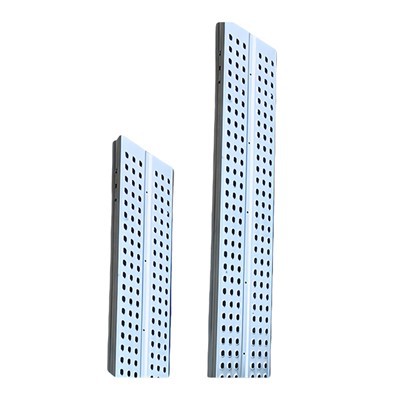

Can scaffolding steel planks be used in shipbuilding? This is a question that often arises in both the shipbuilding and scaffolding industries. As a supplier of Scaffolding Steel Planks, I am frequently asked about the feasibility and benefits of using our products in shipbuilding projects. In this blog post, I will explore the potential of scaffolding steel planks in shipbuilding, examining their properties, advantages, and considerations.
Properties of Scaffolding Steel Planks
Scaffolding steel planks are typically made from high - strength steel, which offers several key properties that make them suitable for various applications, including shipbuilding.
Strength and Durability: Steel is known for its high strength - to - weight ratio. Scaffolding steel planks can withstand heavy loads, making them ideal for supporting workers, tools, and materials during shipbuilding operations. They are resistant to wear and tear, corrosion, and impact, ensuring a long service life even in harsh marine environments.
Non - Slip Surface: Most scaffolding steel planks are designed with a non - slip surface. This is crucial in shipbuilding, where workers are often required to move around on elevated platforms. The non - slip surface reduces the risk of slips and falls, enhancing safety on the job site.
Modularity and Adaptability: Scaffolding steel planks come in various sizes and shapes, allowing for easy customization and installation. They can be easily connected and assembled to form different types of scaffolding structures, adapting to the complex geometries of ship hulls and superstructures.
Advantages of Using Scaffolding Steel Planks in Shipbuilding
Enhanced Safety: Safety is of utmost importance in shipbuilding. Scaffolding steel planks provide a stable and secure working platform for workers. Their non - slip surface and high load - bearing capacity reduce the risk of accidents and injuries. Additionally, the modular design allows for quick and easy installation and removal, minimizing downtime and potential hazards.
Cost - Effectiveness: Compared to other types of scaffolding materials, such as wooden planks, steel planks are more cost - effective in the long run. They have a longer lifespan, require less maintenance, and can be reused multiple times. This reduces the overall cost of scaffolding for shipbuilding projects.


Corrosion Resistance: Shipbuilding takes place in a marine environment, which is highly corrosive. Scaffolding steel planks are often treated with anti - corrosion coatings, such as galvanization, to protect them from rust and corrosion. This ensures that the planks remain in good condition throughout the shipbuilding process and can be used for future projects.
Versatility: Scaffolding steel planks can be used in a variety of shipbuilding applications, including hull construction, deck installation, and equipment maintenance. They can be easily adjusted and reconfigured to meet the specific needs of different shipbuilding tasks.
Considerations When Using Scaffolding Steel Planks in Shipbuilding
Weight: While steel planks are strong, they are also heavier than some other materials. This can pose challenges during installation and transportation, especially on large shipbuilding projects. Careful planning is required to ensure that the scaffolding structure can support the weight of the planks and the loads they carry.
Installation and Assembly: Proper installation and assembly of scaffolding steel planks are essential for safety and performance. Workers must be trained in the correct installation procedures to ensure that the planks are securely connected and the scaffolding structure is stable.
Regulatory Compliance: Shipbuilding is subject to strict safety and quality regulations. Scaffolding steel planks must meet relevant industry standards and regulations to ensure their safe use in shipbuilding projects.
Real - World Applications
In many shipyards around the world, scaffolding steel planks are already being used successfully in shipbuilding. For example, during the construction of large container ships, steel planks are used to create scaffolding structures around the hull for welding, painting, and other operations. The non - slip surface of the planks allows workers to move safely on the elevated platforms, even in wet or oily conditions.
In addition, scaffolding steel planks are used in the maintenance and repair of ships. They can be quickly installed and removed, minimizing the downtime of the ship and reducing the cost of maintenance.
Conclusion
In conclusion, scaffolding steel planks can be effectively used in shipbuilding. Their strength, durability, non - slip surface, and adaptability make them a suitable choice for creating safe and efficient working platforms in the shipbuilding industry. However, it is important to consider factors such as weight, installation, and regulatory compliance when using these planks.
If you are involved in a shipbuilding project and are looking for high - quality Scaffolding Steel Planks, we are here to help. Our Metal Walk Boards and Steel Plank for Scaffolding are designed to meet the strict requirements of the shipbuilding industry. Contact us today to discuss your specific needs and explore how our products can enhance the safety and efficiency of your shipbuilding project.
References
- Shipbuilding Industry Standards and Regulations
- Technical Specifications of Scaffolding Steel Planks
- Case Studies of Scaffolding Steel Planks in Shipbuilding Projects