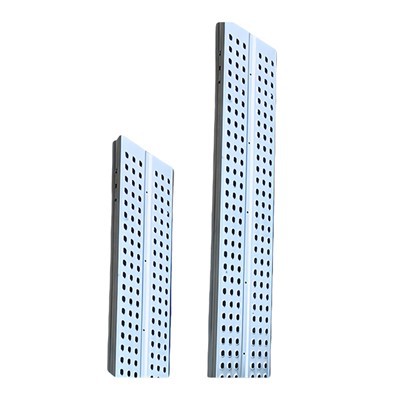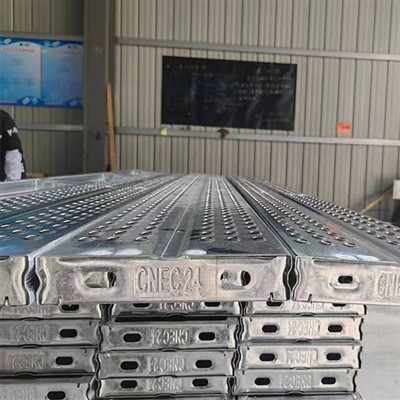

Scaffolding boards are an essential component in the construction and maintenance industries, providing a stable platform for workers to perform their tasks at various heights. As a supplier of scaffolding boards, I'm often asked about the environmental concerns associated with these products. In this blog post, I'll explore the potential environmental impacts of scaffolding boards and discuss how we can mitigate these concerns.
Material Sourcing and Production
The environmental impact of scaffolding boards begins with the sourcing of raw materials and the production process. Different types of scaffolding boards are made from various materials, each with its own set of environmental implications.
Wood Scaffolding Boards
Wood is a traditional material for scaffolding boards. It is a renewable resource, which means that if managed sustainably, it can be an environmentally friendly option. However, the production of wooden scaffolding boards can have several environmental concerns.
- Deforestation: If not sourced from sustainable forests, the demand for wood can contribute to deforestation. Deforestation leads to habitat loss, soil erosion, and a reduction in carbon sequestration. To address this issue, it's crucial to source wood from forests certified by organizations such as the Forest Stewardship Council (FSC). FSC-certified wood ensures that the trees are harvested in an environmentally responsible manner.
- Treatment Chemicals: Wooden scaffolding boards are often treated with chemicals to protect them from rot, insects, and fire. These chemicals can be harmful to the environment if not properly managed. For example, some wood preservatives contain heavy metals such as copper, chromium, and arsenic, which can leach into the soil and water. To minimize the environmental impact, it's important to use eco-friendly treatment methods and ensure proper disposal of treated wood.
Steel Scaffolding Boards
Steel is another popular material for scaffolding boards. Steel is a highly recyclable material, which makes it a more sustainable option compared to some other materials. However, the production of steel has its own environmental challenges.


- Energy Consumption: The production of steel requires a significant amount of energy, primarily from fossil fuels. This energy consumption contributes to greenhouse gas emissions and climate change. To reduce the environmental impact of steel production, many steel manufacturers are adopting energy-efficient technologies and using recycled steel.
- Corrosion and Maintenance: Steel scaffolding boards are prone to corrosion, especially in harsh environments. To prevent corrosion, steel boards are often coated with protective layers. However, the production and disposal of these coatings can have environmental implications. Additionally, the maintenance of steel scaffolding boards, such as repainting and repair, also requires energy and resources.
Lifecycle Assessment
To fully understand the environmental impact of scaffolding boards, it's important to consider their entire lifecycle, from production to disposal. A lifecycle assessment (LCA) is a tool that can be used to evaluate the environmental impacts of a product throughout its lifecycle.
Production Phase
As mentioned earlier, the production of scaffolding boards can have significant environmental impacts, including energy consumption, raw material extraction, and pollution. By using sustainable materials and production methods, we can reduce these impacts. For example, using recycled steel or FSC-certified wood can help to conserve natural resources and reduce greenhouse gas emissions.
Use Phase
During the use phase, scaffolding boards provide a stable platform for workers, but they also require maintenance and replacement over time. The frequency of maintenance and replacement depends on factors such as the type of material, the environment in which the boards are used, and the load they are subjected to. By using high-quality scaffolding boards and implementing proper maintenance practices, we can extend their lifespan and reduce the need for frequent replacement.
Disposal Phase
At the end of their lifecycle, scaffolding boards need to be disposed of properly. The disposal method depends on the type of material. Wooden scaffolding boards can be recycled into wood chips or used as fuel, while steel scaffolding boards can be recycled into new steel products. By recycling scaffolding boards, we can conserve natural resources and reduce the amount of waste sent to landfills.
Mitigating Environmental Concerns
As a scaffolding board supplier, we are committed to minimizing the environmental impact of our products. Here are some steps we can take to mitigate environmental concerns:
Sustainable Sourcing
- Wood: Source wood from FSC-certified forests to ensure sustainable forest management.
- Steel: Use recycled steel whenever possible to reduce the energy consumption and environmental impact of steel production.
Eco-Friendly Treatment
- Wood: Use eco-friendly wood treatment methods that minimize the use of harmful chemicals.
- Steel: Use environmentally friendly coatings to prevent corrosion and reduce the environmental impact of maintenance.
Lifecycle Management
- Design for Durability: Design scaffolding boards to be durable and long-lasting, reducing the need for frequent replacement.
- Recycling and Reuse: Encourage the recycling and reuse of scaffolding boards at the end of their lifecycle.
Conclusion
In conclusion, there are several environmental concerns associated with scaffolding boards, including deforestation, energy consumption, and pollution. However, by using sustainable materials, eco-friendly treatment methods, and proper lifecycle management, we can minimize these impacts. As a scaffolding board supplier, we are committed to providing our customers with high-quality, environmentally friendly products.
If you're interested in learning more about our scaffolding boards or have any questions about their environmental impact, please don't hesitate to contact us for a purchase consultation. We look forward to working with you to find the best scaffolding solutions for your needs.
References
- Forest Stewardship Council (FSC). (n.d.). What is FSC? Retrieved from FSC website
- International Organization for Standardization (ISO). (2006). ISO 14040:2006 Environmental management - Life cycle assessment - Principles and framework.
- United Nations Environment Programme (UNEP). (2011). Life cycle assessment: Principles and practice. Retrieved from UNEP website