
When it comes to construction and industrial projects, choosing the right stainless steel planks is crucial for ensuring safety, durability, and efficiency. As a trusted stainless steel plank supplier, I understand the importance of making informed decisions in this regard. In this blog post, I will share some valuable insights on how to choose the right stainless steel planks for your specific needs.
Understanding the Basics of Stainless Steel Planks
Stainless steel planks are widely used in various industries, including construction, manufacturing, and transportation. They are known for their high strength, corrosion resistance, and aesthetic appeal. Stainless steel is an alloy composed of iron, chromium, and other elements, which gives it its unique properties.
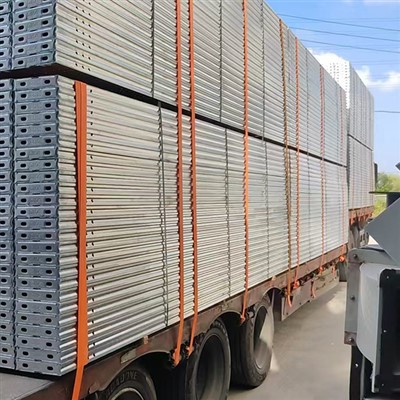
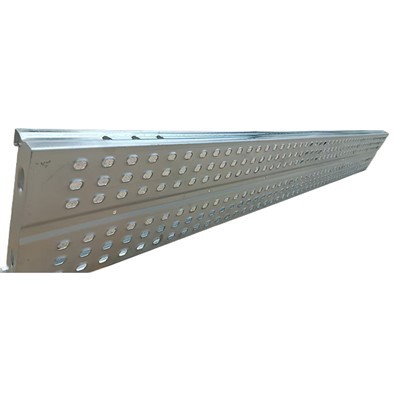
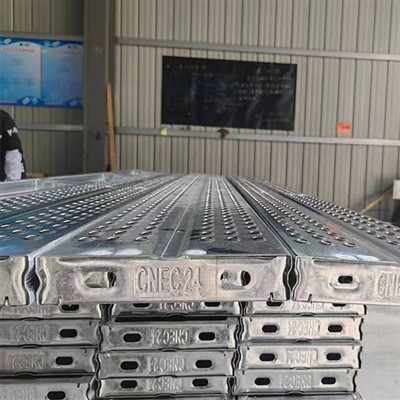
There are different types of stainless steel planks available in the market, each with its own characteristics and applications. Some common types include Scaffolding Steel Planks, Stainless Steel Plank, and Perforated Steel Plank. Understanding the differences between these types is essential for making the right choice.
Factors to Consider When Choosing Stainless Steel Planks
1. Application
The first step in choosing the right stainless steel planks is to determine their intended application. Different applications require different types of planks with specific properties. For example, if you are using the planks for scaffolding, you need planks that are strong, lightweight, and have good anti-slip properties. On the other hand, if you are using the planks for a decorative purpose, you may need planks with a smooth finish and a high aesthetic appeal.


2. Material Quality
The quality of the stainless steel used in the planks is another important factor to consider. High-quality stainless steel planks are made from premium-grade materials that offer better corrosion resistance, strength, and durability. Look for planks that are made from stainless steel with a high chromium content, as this will provide better protection against rust and corrosion.
3. Thickness and Size
The thickness and size of the stainless steel planks are also important considerations. The thickness of the planks will determine their strength and load-bearing capacity. Thicker planks are generally stronger and can support heavier loads. The size of the planks should be chosen based on the specific requirements of your project. Make sure to measure the area where the planks will be used and choose planks that fit the dimensions.
4. Surface Finish
The surface finish of the stainless steel planks can have a significant impact on their appearance and performance. There are different types of surface finishes available, including brushed, polished, and textured. Brushed finishes are popular for their matte look and are often used in industrial applications. Polished finishes, on the other hand, have a shiny and reflective surface and are commonly used in decorative applications. Textured finishes provide better grip and are ideal for applications where slip resistance is important.
5. Anti-Slip Properties
In many applications, such as scaffolding and walkways, anti-slip properties are crucial for ensuring safety. Look for stainless steel planks that have a textured surface or are treated with an anti-slip coating. This will help prevent accidents and injuries caused by slipping.
6. Cost
Cost is always an important factor to consider when choosing stainless steel planks. While it is important to choose high-quality planks, you also need to consider your budget. Compare the prices of different suppliers and choose planks that offer the best value for money. Keep in mind that the cheapest option may not always be the best, as low-quality planks may require frequent replacement and maintenance.
Tips for Choosing the Right Supplier
1. Reputation
Choose a supplier with a good reputation in the industry. Look for suppliers that have been in business for a long time and have a track record of providing high-quality products and excellent customer service. You can check online reviews and testimonials from other customers to get an idea of the supplier's reputation.
2. Product Range
A good supplier should offer a wide range of stainless steel planks to meet your specific needs. Make sure the supplier has the types of planks you require, including different sizes, thicknesses, and surface finishes. This will give you more options to choose from and ensure that you can find the right planks for your project.
3. Quality Assurance
Ensure that the supplier has a quality assurance program in place to ensure the quality of their products. Look for suppliers that use high-quality materials and follow strict manufacturing standards. You can ask the supplier for certifications and test reports to verify the quality of their planks.
4. Customer Support
Choose a supplier that provides excellent customer support. A good supplier should be able to answer your questions, provide technical assistance, and offer after-sales support. This will ensure that you have a smooth and hassle-free experience when purchasing and using the stainless steel planks.
Conclusion
Choosing the right stainless steel planks is essential for the success of your construction or industrial project. By considering the factors mentioned above and choosing a reliable supplier, you can ensure that you get high-quality planks that meet your specific needs. If you have any questions or need further assistance in choosing the right stainless steel planks, please feel free to contact us. We are here to help you make the best decision for your project.
References
- "Stainless Steel Handbook" by ASM International
- "Construction Materials: Properties, Applications, and Performance" by David M. Roy
- Industry standards and guidelines related to stainless steel planks